01
Madinat Jumeirah
Pierchic
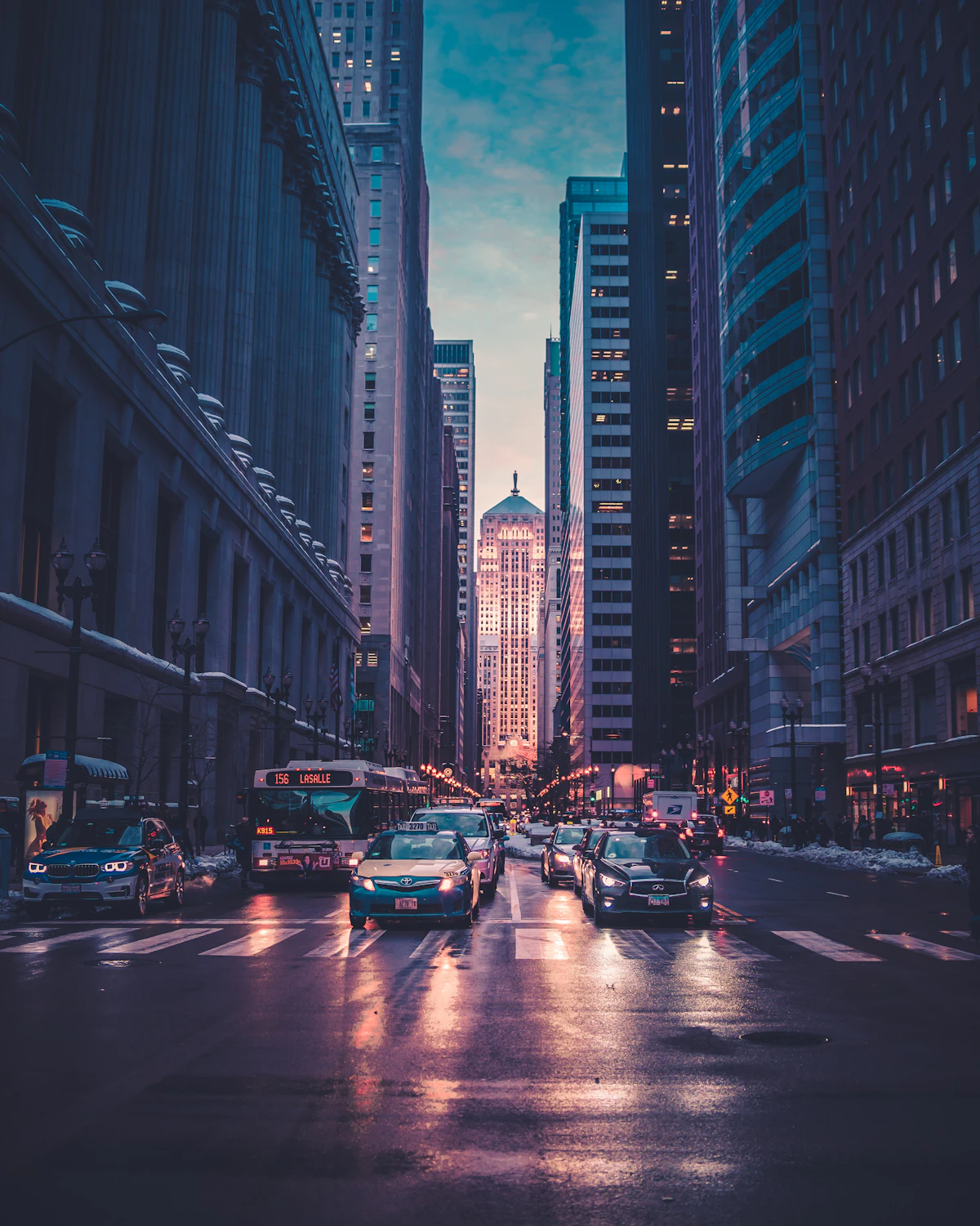
Built on a pier over the Gulf, with Burj Al Arab framed in the window. Order the seafood platter and arrive before sunset — the food matters, but the geometry of the room matters more.
Living in Dubai · Lifestyle
Dubai isn't lived in; it's curated. Restaurants from Michelin stars to beach-shack institutions. Beaches that shift from family Saturdays to sunset DJ sessions. Culture that mixes museum-grade institutions with souks older than the federation. This is how to live well here.
The Thesis
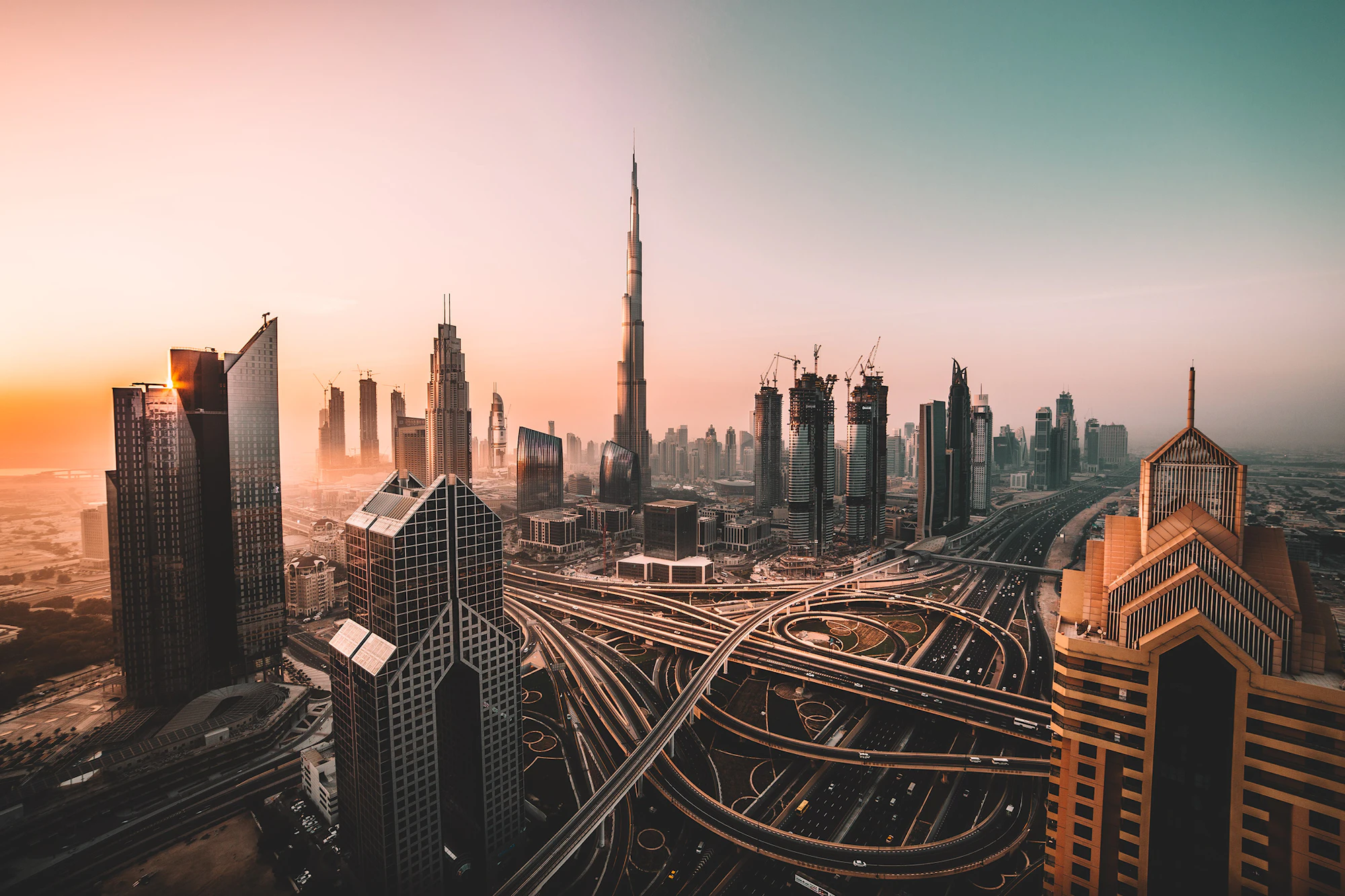
Most cities accumulate a lifestyle over centuries. Dubai built one on purpose, in three decades, with the world watching. The result is a city that reads as both fluent in global luxury and rooted in a specific Gulf identity — Michelin tasting menus a short drive from a 200-year-old spice souk, contemporary art biennales held three kilometres from the desert.
What this means in practice: where you live in Dubai determines which version of the city becomes yours. The foodie who lives in Downtown experiences a different Dubai from the surfer in JBR or the gallery-goer in Al Quoz. None of them is wrong. All of them are deliberate choices.
This guide is our point of view on the five lifestyle dimensions that matter most — dining, beaches, culture, retail, wellness — and the specific places, neighborhoods, and habits we recommend to clients building a life here. It is editorial, not exhaustive. We've left out the obvious.

Dubai's dining scene is now genuinely world-tier — Pierchic on the pier, Nobu inside Atlantis, FZN by Björn Frantzén — but its soul is still in the unsigned places. The rule we give clients: alternate. One night should always be at a place that has no PR team.
Built on a pier over the Gulf, with Burj Al Arab framed in the window. Order the seafood platter and arrive before sunset — the food matters, but the geometry of the room matters more.
Three Michelin stars for an Indian tasting menu that re-reads chaat, dal, and biryani as architecture. The single most ambitious kitchen in the city, and the one we send first-time visitors to.
Open since 1978. Plastic chairs, signed walls, and the best skewer in the country at AED 25. This is the side of Dubai that doesn't show up on the brochures — and the one we'd miss most.
Twenty seats, a single counter, Japanese-Asian small plates that have ranked top-50 on every Middle East list for five years. Book three weeks ahead. Order the salmon hummus.
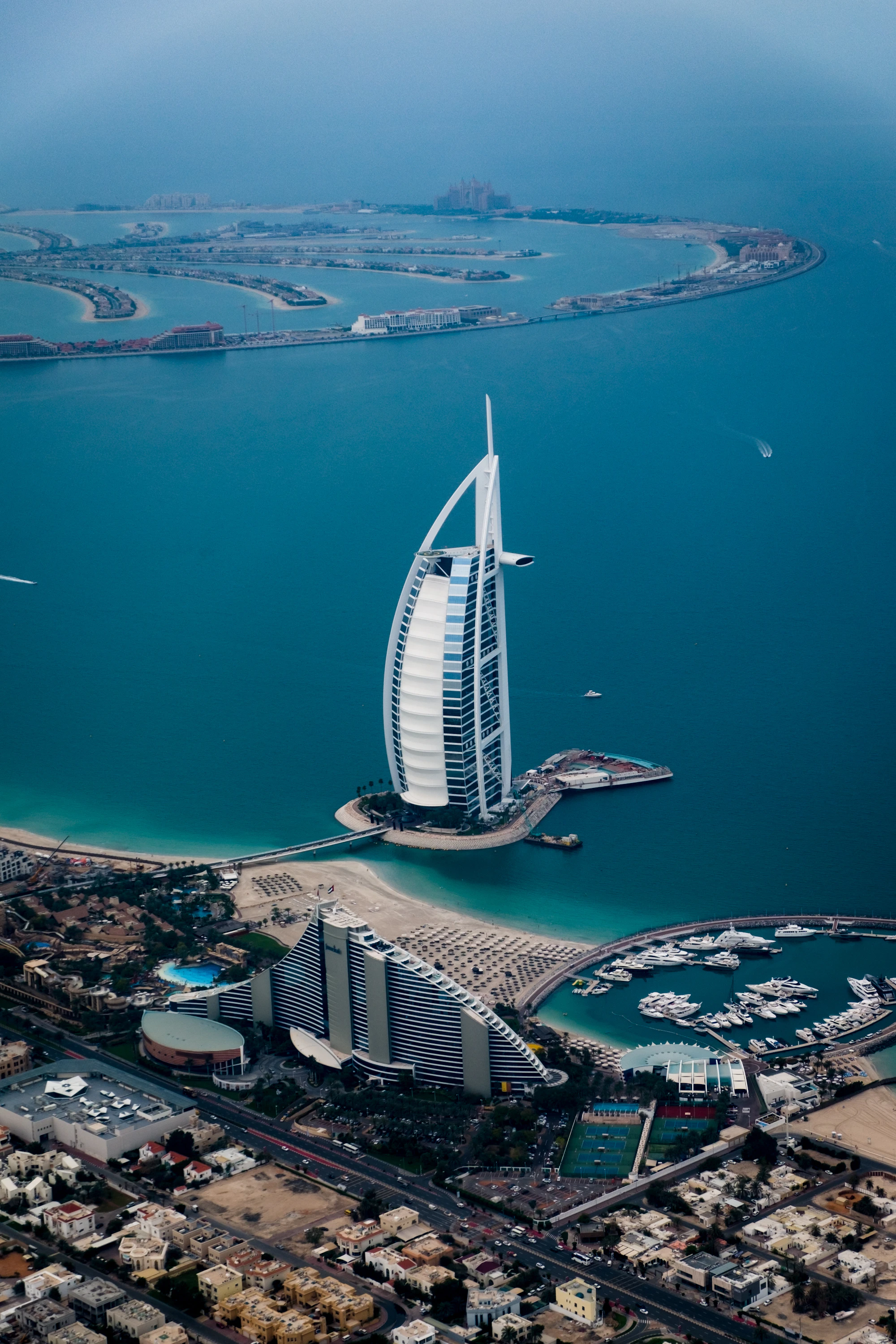
Dubai's beach culture splits cleanly: family-mode mornings, adult-mode sunsets, and resort-mode in between. The trick is knowing which beach is which on which day. Below is the working map we share with clients.
Public, free, runnable, surfable, and the city's de facto Saturday morning. Burj Al Arab framed every direction you look. Best at sunrise — go early or skip it.
The boardwalk-cafe-beach model — playground in the morning, DJ sets by 6 PM. The one beach where the scene is part of the point. Park at The Walk and stay for dinner.
The locals' answer. Hidden access between two royal estates, no facilities, no umbrellas — and the only stretch in Dubai where you can see both Palm Jumeirah and the Burj from the sand.
One Hotel & Spa's private beach — sunbeds against the curve of the Palm, Mediterranean menu, no over-amplified music. The mature version of a Dubai beach day.

The lazy reading of Dubai is that it has no history. The honest reading is that its history sits two streets behind every glass tower — and that its contemporary art scene now rivals anywhere in the region. These are the addresses to know.
Wind-tower architecture from the 1890s, narrow alleys, the original creek. Visit on foot, in the morning, and pair with the Coffee Museum. The Dubai that existed before oil.
Built on the site where the UAE was founded in 1971. The story of how seven emirates became one country — and the only museum where the building itself is part of the artifact.
A converted warehouse district that became the Middle East's most important contemporary art neighborhood. Twenty-plus galleries, Cinema Akil, and the best espresso for ten kilometres.
Less a museum than a working hypothesis about what cities, climate, and AI will look like in 2071. The building alone is worth the visit; the curation is sharper than tourists realize.

Dubai is one of the few cities in the world where you can buy a Patek Philippe and a kilo of saffron the same afternoon, twenty minutes apart. The mall culture is the global story; the souks are the older, quieter, and arguably more interesting one.
The world's largest by area, but that's not why we send people. It's the only mall in the world with a fountain, an aquarium, an ice rink, and a souk — all under one roof. Budget half a day.
The first generation of Dubai mega-malls and still the easiest to actually shop in. Ski Dubai inside. Quieter weekday mornings, full weekends — and the original luxury wing.
The Gold Souk holds an estimated ten tonnes of stock at any time; the Spice Souk next door has been trading saffron since the 1950s. Take an abra across the creek — never a taxi.
The European-quarter version of Dubai retail — pedestrianised, tree-lined, half the brands and twice the cafés. The neighborhood residents actually shop in.

Wellness in Dubai operates on two registers. The destination spa — a half-day occasion at one of the city's hotel temples. And the daily ecosystem — bootcamp gyms, public parks, swimming pools — that quietly shapes how most residents actually live.
A private island reached by abra, twenty-six treatment rooms, and the most ritualised hammam in the city. Block four hours and arrive without checking your phone.
Moroccan-courtyard architecture, oud-incense corridors, an outdoor plunge pool that pre-dates Instagram. The grown-up's spa — the one residents return to for anniversaries.
Dubai has the densest cluster of premium bootcamp gyms outside New York. Barry's in DIFC, F45 across every community. The everyday wellness layer most newcomers don't see at first.
The two parks every Dubai resident eventually adopts as a Sunday ritual — six kilometres of running track, lakes, weekend markets. The free, unbranded version of wellness — and the most loved.
How Briza Helps
Most clients arrive with a budget and a bedroom count. We start the conversation one layer earlier: which version of Dubai do you actually want to live in? Below is how lifestyle priorities map to recommended areas — and how that shapes the property shortlist.
Downtown or Business Bay — walkable to DIFC, Dubai Mall, City Walk. Most of the Michelin-starred kitchens within a 12-minute radius. Apartments suit better than villas here.
JBR for the boardwalk scene; Palm Jumeirah for resort-private; Umm Suqeim if the goal is residential-quiet with sand at the door. We weight beach access into yield calculations.
Al Quoz, Al Wasl, or Jumeirah 1 — the Alserkal-Etihad-Al Fahidi corridor. Lower-rise, more residential, the version of Dubai that feels least like a brochure.
Anywhere park-adjacent (Safa, Zabeel) or beach-adjacent. Dubai Hills Estate for the green infrastructure; Marina for the running-and-paddleboard combination.
At a Glance
A working reference for the property conversation. If your priority is on the left, the areas on the right are where we'd start.
Begin the Conversation
Most Briza relationships start with a 30-minute briefing call. We listen first, then match property to lifestyle — not the other way around. No obligation, no follow-up unless you ask for one.
Compare listings
Compare